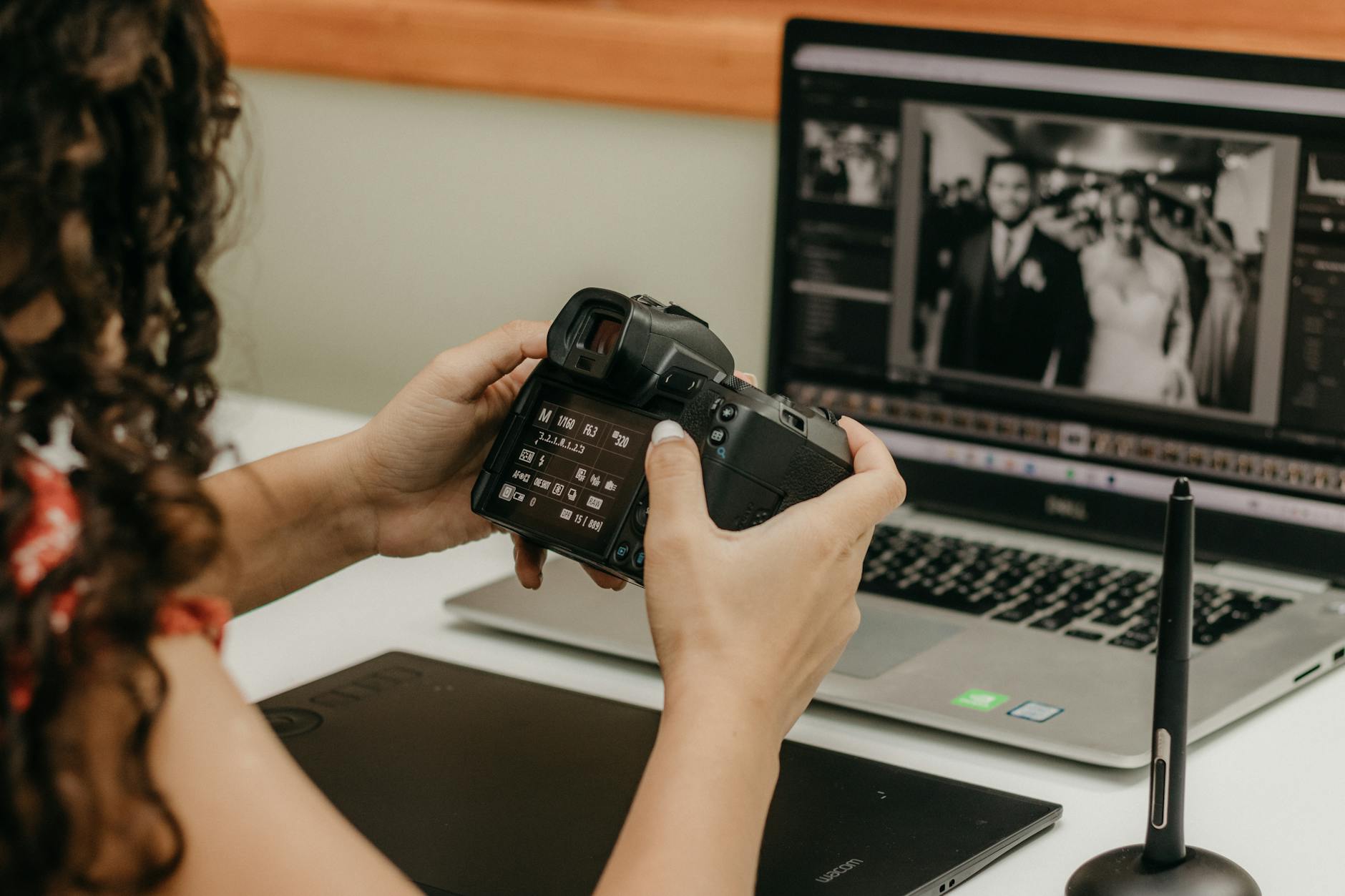
How much should I charge for photography services in 2026?
Quick answer: Photography rates in 2026 vary widely by niche, experience level, and geography, but the most reliable way to set your price is to calculate your cost of doing business (CODB), add a target salary and profit margin, then benchmark the result against local market rates. Beginners in the US typically charge $25–$75 per hour, while established professionals charge $125–$500 per hour or more, with niche-specific packages ranging from a few hundred dollars to $15,000+.
Learn exactly how much to charge for photography in 2026. Niche benchmark rates, pricing models with pros/cons, a step-by-step CODB worksheet, and common pricing mistakes to avoid.
Key Takeaways
- Never set rates by guessing. Start with a CODB calculation that covers all real expenses plus your salary.
- US beginner rates typically range $25–$75/hr; established pros range $125–$500/hr, according to BLS and PPA data.
- Wedding packages in the US average $1,500–$6,000; commercial day rates average $800–$5,000.
- Hourly, flat, package, project-based, and usage-based are the five main pricing models. Each suits different niches.
- Underpricing is a business risk. It attracts low-value clients and undermines long-term sustainability.
- All rate benchmarks in this guide are US-centric unless labeled otherwise. Adjust for your local market.
- Formalize every rate in a written contract that specifies deliverables, usage rights, and payment terms.
What Is a Photography Pricing Guide and Why Does It Matter?
!Photographer reviewing a rate card on a laptop with a professional camera and notebook on the desk
A photography pricing guide is a framework that helps you set sustainable rates by combining four inputs: your real business costs, your target income, the pricing model you choose, and the market benchmarks for your niche and region. It's the difference between charging what feels right and charging what actually keeps your business alive after taxes, gear replacement, and a year of slow months.
Here's the reality: most photographers I've coached start out by Googling local competitors, picking a number in the middle, and hoping it works. Six months later, they're burned out, underpaid, and confused why their "fair" pricing left them with $400 in their business account.
That's because a competitor's price reflects their costs, their tax situation, their experience, and their goals. Not yours.
⚠️ Why copying a competitor's rate is risky > Two photographers shooting the same wedding in the same city can have wildly different cost structures. One owns gear outright; the other is on a $400/month rental plan. One works from a garage; the other rents a $1,800/month studio. Copying a rate without copying the math behind it is how photographers go broke while staying "competitive."
What Goes Into a Photography Price?
A real photography price has to account for far more than the hours you spend behind the camera:
- Equipment purchase and depreciation (bodies, lenses, lighting, storage)
- Software subscriptions (Lightroom, Capture One, booking software, cloud backup)
- Insurance (gear coverage and general liability)
- Marketing and website costs (hosting, domains, ads, SEO tools)
- Education and memberships (workshops, PPA or ASMP dues)
- Taxes (self-employment tax plus federal and state estimated quarterly payments)
- Your own labor time — shooting, editing, emails, sales calls, deliveries
- Profit margin layered on top of everything above
If any of these is missing from your pricing math, your "profit" is actually subsidizing someone else's wedding album.
The Four Pillars of Photography Pricing
Every defensible rate I've ever quoted stood on these four legs:
- Pillar 1: Your real costs — calculated through a proper CODB worksheet
- Pillar 2: Your target income — what you actually need to live on, plus profit
- Pillar 3: Your pricing model — hourly, flat, package, project, or usage-based
- Pillar 4: Market benchmarks — what your niche and region will actually pay
A rate built on three of four pillars will either lose money or lose clients. There's no fifth shortcut.
Step 1: Calculate Your Cost of Doing Business (CODB)
Your CODB is the minimum revenue you need to break even before you've paid yourself anything you'd call profit. Without it, every rate decision is a guess.
Here's how to calculate it:
- List every business expense you'll incur in the next 12 months
- Add your target annual salary — what you need to pay yourself to live
- Estimate your realistic billable days for the year
- Divide the sum of expenses + salary by billable days to get your minimum day rate
- Add a profit margin of 20–40% on top
That last number is your floor. Charge less and you're losing money on every shoot.
Sample CODB Worksheet: Annual Expense Categories
| Expense Category | Example Annual Cost (USD) | Notes |
|---|---|---|
| Equipment (purchase + depreciation) | $4,000 | Spread bodies/lenses over 3–5 years |
| Software subscriptions | $1,200 | Adobe, booking, cloud storage |
| Gear insurance | $600 | Replacement-cost policy |
| Liability insurance | $400 | Often required by venues |
| Website + marketing | $2,400 | Hosting, ads, portfolio site |
| Studio or location fees | $3,000 | Skip if you shoot on location |
| Professional development | $1,200 | Workshops, courses |
| Association memberships | $400 | PPA, ASMP, NPPA |
| Accountant/legal fees | $1,800 | Quarterly taxes, contracts |
| Taxes set-aside (estimate) | $6,000 | Adjust to your bracket |
| Target photographer salary | $48,000 | Your "take-home" |
| **Total** | **$69,000** | Illustrative example only |
All figures are illustrative. Adjust every line to your actual region, niche, and experience. The NPPA Cost of Business Calculator and the PPA Benchmark Survey are the cleanest vendor-neutral references for these numbers.
!Annotated infographic showing a photography cost of doing business worksheet with expense categories and a worked example calculation
💡 Worked Example > Let's say you're a portrait photographer with $22,000 in annual business expenses and you want to pay yourself $48,000. That's $70,000 total. If you can realistically book 100 days a year (more on that below), your minimum day rate is $70,000 ÷ 100 = $700/day just to break even with salary. Add a 25% profit margin and you're at $875/day, or roughly $109/hour across an 8-hour shoot day. These numbers are illustrative — your actual figures will shift based on your region, niche, and gear situation.
🧰 Use the NPPA Calculator > The NPPA Cost of Business Calculator is free and was originally built for photojournalists, but the logic applies to any working photographer. Plug in your real numbers before you build a rate card.
Fixed vs. Variable Costs
Not every cost behaves the same way, and lumping them together will distort your pricing:
- Fixed costs stay roughly the same regardless of how many shoots you book. Insurance, software subscriptions, website hosting, association dues.
- Variable costs scale with each job. Travel, parking, second shooters, lab prints, props, model fees, equipment rentals.
Why this matters: your CODB rate covers the fixed costs. Variable costs need to be billed per-job, on top of your baseline rate. A wedding two hours away with a second shooter and an album isn't the same job as a one-hour studio headshot session.
How Many Billable Days Do You Actually Have?
This is where most photographers blow up their own math. They start with 260 working days per year (52 × 5) and divide their target income by that. The result is a fantasy rate.
Here's the honest accounting:
- Start with 260 weekdays
- Subtract weekends lost to admin, marketing, inquiry calls, and editing
- Subtract vacation, sick days, and personal time
- Subtract unpaid sales meetings and consultations
- Subtract slow seasons (most niches have one)
According to PPA benchmark data, most full-time photographers end up with 80–120 genuinely billable days per year. Part-timers should plan for 30–50. Using 200+ days in your math is the single most common reason photographers undercharge.
Step 2: How to Price Photography Services — A 7-Step Framework
Here's the step-by-step process I walk every coaching client through. Follow it in order. Skipping any step is how rates get built on sand.
- Calculate your CODB. Use the worksheet above or the NPPA calculator. Don't skip any expense category.
- Set a target salary. Be honest about what you need to live on, and factor in self-employment tax (approximately 15.3% in the US per IRS guidance).
- Estimate billable days realistically. 80–120 for full-time, 30–50 for part-time. Resist the urge to inflate.
- Add a 20–40% profit margin. This isn't optional. Profit funds gear upgrades, business growth, and the slow months.
- Benchmark against your local market. Research 3–5 competitors in your niche and city. Use Numbeo to calibrate for cost-of-living differences.
- Choose a pricing model. Hourly, flat, package, project-based, or usage-based. The next section breaks down which fits where.
- Formalize in a written contract. Every rate must be backed by a contract specifying scope, deliverables, payment schedule, and usage rights. Without one, your pricing is unenforceable.
⚠️ Don't skip the profit margin > Many photographers break even on CODB + salary and call it a day. That's not a business — that's a job with worse hours. Profit is what funds your next camera body, your marketing experiments, and your emergency fund when a wedding gets cancelled. The PPA Benchmark Survey suggests healthy photography businesses target 15–35% net profit margins.
Photography Pricing Quick-Start Checklist
- Calculate total annual business expenses
- Set a realistic target annual salary for yourself
- Estimate your true billable days for the year
- Divide (expenses + salary) by billable days for your minimum day rate
- Add a 20–40% profit margin on top
- Research local competitor rates for your niche
- Choose a pricing model (hourly, flat, package, usage-based)
- Build a written rate card
- Include rates in a formal written contract
- Schedule a rate review every 6–12 months
Photography Pricing Models Explained
There are five pricing models worth knowing. Each one fits a specific kind of work, and most working photographers use two or three depending on the job.
!Side-by-side comparison chart of five photography pricing models: hourly, flat rate, package, project-based, and usage-based
Photography Pricing Models: Comparison Overview
| Pricing Model | Best Suited For | Key Pros | Key Cons |
|---|---|---|---|
| Hourly Rate | Commercial, editorial, variable scope | Transparent, easy to quote | Clients may rush you |
| Flat Rate | Headshots, mini sessions, newborns | Predictable for both sides | Scope creep risk |
| Package Pricing | Weddings, portraits, events | Easy upsells, tiered options | Can feel rigid |
| Project-Based | Commercial, architectural, editorial | One clean quote per job | Scoping errors hurt |
| Usage-Based | Advertising, stock, licensing | Separates fee from rights | Complex to explain |
Subscription retainer pricing exists too, but I don't recommend it broadly. It works for real estate photographers servicing agency contracts and for content creators on monthly retainers — that's about it.
💡 Which model should I start with? > Most portrait and event photographers should start with package pricing because it sets clear expectations on both sides. Hourly suits commercial work where scope shifts. Usage-based is essential the moment you start shooting commercial campaigns. When in doubt, sketch your client type and work backward to the model.
Hourly Rate Pricing
Hourly works when scope is unpredictable. Editorial shoots, brand content sessions, and commercial work where the client doesn't know exactly what they need until the day-of.
- Transparent and easy for clients to grasp
- Suits variable-scope commercial and editorial work
- Risk: clients may try to rush or constrain the shoot to save money
- Typical US ranges: beginners $25–$75/hr; established pros $125–$350/hr, per BLS and PayScale data
Flat Rate Pricing
A single fee for a defined deliverable. You shoot for one hour and deliver 20 edited images for $X. Done.
- Predictable for the client and for you, if scope is tight
- Risk: scope creep eats your margin when contracts are vague
- Works well for headshots, newborn sessions, mini sessions, and personal branding shoots
Package Pricing
Bundles of services at tiered price points — usually three tiers. Basic, Standard, Premium.
- The easiest way to increase average job value through upsells
- Dominant model in wedding and portrait photography
- Tip from experience: always have a mid-tier package that represents your best margin. Most clients will pick the middle option, so design it deliberately.
Project-Based Pricing
One quote covers the whole project, regardless of hours. Common in commercial, architectural, and editorial work.
- Requires accurate scoping. Underestimating hours destroys profit fast.
- Licenses and usage fees are typically quoted separately on top
- Best when you've shot similar work before and know your time investment
Usage-Based (Licensing) Pricing
Separates the creative fee (your time and skill on set) from the licensing fee (the client's right to use the images).
- Factors that move the fee: territory, media type, duration, exclusivity
- Essential for advertising, editorial, and stock work
- The ASMP pricing resources are the industry standard for this
!Flowchart decision tree helping photographers choose between hourly, flat rate, package, and usage-based pricing models
Photography Rates by Niche: Benchmark Ranges
Below are the rate ranges I see most consistently across US markets. Every number here is sourced and labeled as a benchmark, not a guarantee. Your local market and experience will shift these meaningfully.
!Horizontal bar chart comparing US photography rate ranges across six niches: wedding, portrait, commercial, real estate, event, and product photography
US Photography Rate Benchmarks by Niche (2026)
| Photography Niche | Common Rate Metric | Low End | Median | High End | Key Source |
|---|---|---|---|---|---|
| Wedding | Per package | $1,500 | $3,500 | $15,000+ | [The Knot](https://www.theknot.com/content/wedding-photographer-cost) |
| Portrait | Per hour | $75 | $200 | $500+ | PPA, PayScale |
| Event | Per hour | $100 | $200 | $400 | PPA |
| Real Estate | Per session | $150 | $275 | $500+ | PPA |
| Commercial / Advertising | Per day + licensing | $800 | $2,000 | $5,000+ | [ASMP](https://www.asmp.org/pricing-resources/) |
| Product | Per image | $25 | $75 | $250+ | ASMP |
| Headshot | Per session | $150 | $350 | $1,000+ | PPA |
Rates vary by city, experience, and client tier. Use these as starting reference points, not as a ceiling or floor.
⚠️ Geographic variation is significant > A wedding photographer in New York City or San Francisco may command 2–3× the rate of a photographer in a rural market. Use Numbeo's cost-of-living index to calibrate these benchmarks to your own city before quoting.
Wedding Photography Pricing
Packages dominate this niche. All-inclusive pricing covering shooting + editing + delivery (and often an album) is the norm.
- US averages: $1,500 (budget) to $6,000+ (mid-market) to $15,000+ (luxury), per The Knot Real Weddings Study
- Common add-ons that increase package value: second shooter, engagement session, rehearsal coverage, album upgrades, prints
- The Knot's data reflects couples who used their platform. The actual market range, especially at the high end, is wider than what they report.
Commercial and Advertising Photography Pricing
In professional commercial work, the day rate (creative fee) and the licensing/usage fee are two separate line items.
- US commercial day rates: approximately $800–$5,000/day depending on experience and client tier, per ASMP
- Usage fees are charged on top and can equal or exceed the creative fee for major campaigns
- Always quote commercial work with a licensing addendum. Never assume the client knows the rights aren't included.
Real Estate Photography Pricing
Typically priced per session or scaled by property square footage.
- US range: approximately $150–$500 per residential session; luxury and commercial properties run higher
- Volume discounts for agency retainers are common — this is one of the few niches where subscription retainer pricing genuinely works
- Drone, virtual tours, and video walkthroughs are each separate line items
Photography Rates by Experience Level
This is the question I get most often: how much can I charge right now, given where I am? Here's the honest answer, with ranges based on BLS and PayScale data.
Photography Hourly Rates by Experience Level (US Averages)
| Experience Tier | Approximate Hourly Rate (USD) | Typical Profile | Notes |
|---|---|---|---|
| Student / Beginner | $25–$75/hr | <1 year, building portfolio | Cover variable costs minimum |
| Entry-Level Pro | $75–$150/hr | 1–3 years, paid work consistent | Niche developing |
| Established Professional | $125–$350/hr | 3–7 years, full booking calendar | Niche clear, repeat clients |
| Specialist / Senior Pro | $250–$500/hr | 7+ years, recognized in niche | Editorial credits, awards |
| Top-Tier / Celebrity | $500–$1,000+/hr | Major brand and editorial clients | National/international reach |
Ranges are US national averages. Local rates, niche, and reputation significantly affect actual numbers. Do not extrapolate to annual income projections without accounting for realistic billable days.
💡 When are you ready to raise your tier? > Watch for these signals: inquiries consistently book at your current rate, your booking rate exceeds 80%, your portfolio quality matches or exceeds competitors at the next tier, or your cost of living has increased measurably. If you're hitting two or more of these, you're behind on a rate increase.
Should Beginners Charge Below Market Rate?
Short-term, yes. Long-term, no.
- It's acceptable to charge below market while you're building a portfolio — but set a hard timeline. Six months, or your first 10 paid shoots, then you raise rates.
- Avoid the "free shoots for exposure" trap. Exposure doesn't pay your CODB. It doesn't pay anyone's CODB.
- Even at the beginner tier, your rate should at minimum cover variable costs per shoot. If you're losing money on every job, you're not building a business — you're funding a hobby out of pocket.
How to Price Image Licensing and Usage Rights
Licensing is where commercial photographers leave the most money on the table. I've watched colleagues hand over national ad campaign rights for the price of a shooting day, and it kills me every time.
Here's the framework. Four variables determine licensing fees:
- Territory — Is the image used locally, regionally, nationally, or worldwide? Wider geography = higher fee.
- Duration — One-time use, 1 year, 3 years, or perpetual? Longer duration = higher fee.
- Media Type — Internal use, web, social, print ads, billboards, broadcast? Bigger reach and paid media = higher fee.
- Exclusivity — Non-exclusive, category-exclusive, or fully exclusive? Exclusive = significantly higher fee.
Image Licensing Variables: What Affects the Fee
| Variable | Lower Fee Factors | Higher Fee Factors |
|---|---|---|
| Territory | Local, regional | National, worldwide |
| Duration | One-time, weeks | 1+ year, perpetual |
| Media Type | Internal, organic social | Paid digital, print ads, broadcast |
| Exclusivity | Non-exclusive | Category or fully exclusive |
The ASMP pricing resources and the Getty Images licensing framework are the industry-standard references. Don't try to invent your own licensing math from scratch.
⚠️ Creative fee ≠ licensing fee > The creative fee pays for your time and skill on set. The licensing fee is a separate charge for the client's right to use the resulting images commercially. Many beginners accidentally bundle these together and give away licensing for free — a six-figure mistake on national campaigns. Always quote them as separate line items.
💡 Free tools to calculate licensing fees > The Association of Photographers (AOP) usage calculator and the ASMP pricing resources are both solid starting points. For large commercial campaigns, consult an ASMP-affiliated photographer or a photo agent before quoting.
Worked Licensing Example
Scenario: A food brand wants to use one image in a national print ad campaign for 12 months, non-exclusive.
- Creative fee (shoot day): Calculate using your CODB-based day rate
- Licensing multipliers: National territory (+), 12-month duration (+), print advertising media (+), non-exclusive (lower than exclusive)
- Result: The licensing fee often equals or exceeds the creative day rate for national campaigns
All numbers in licensing negotiations are illustrative until you're actually at the table. Major campaigns get negotiated; small business uses get rate-carded.
Should You Include Licensing in Your Package Price?
It depends entirely on what kind of work you're doing:
- Portrait, wedding, event work: Limited personal-use licensing is typically included. Spell out in your contract exactly what "personal use" means. (Personal social media: usually yes. Their business website: usually no.)
- Commercial work: Always quote licensing separately from the creative fee. No exceptions.
- Stock photography: Licensing is the entire revenue model. Understand rights-managed vs. royalty-free structures before you submit a single image to a stock library.
Common Photography Pricing Mistakes to Avoid
I've made every one of these. So has every photographer I respect. The goal isn't to never make mistakes — it's to recognize them fast and fix them.
⚠️ The underpricing trap > Chronic underpricing attracts clients who prioritize price over quality, makes future rate increases harder, and signals lower value in a market where price is a quality signal. It's not a temporary problem you can grow out of — it's a positioning problem that compounds. Fix it early or you'll be fighting it for years.
Mistake 1: Not Calculating CODB Before Setting Rates
Setting rates based on what feels right, or copying a competitor without knowing your own cost structure, is the most common entry-level mistake. It results in rates that may not cover expenses, let alone generate profit. Do the worksheet first. Always.
Mistake 2: Forgetting to Include Your Own Labor Time
A "2-hour shoot" is never two hours. It includes inquiry response, contract prep, the shoot itself, editing (often 4–6× the shoot time), delivery, and follow-up. Bill for total labor hours, not just shutter time. If your edit ratio is 5:1, a 2-hour shoot is a 12-hour job. Price accordingly.
Mistake 3: Giving Away Licensing Rights
Especially common in commercial work. Clients assume they own all rights unless your contract says otherwise. Always specify usage rights in writing. Read the ASMP pricing resources before your next commercial quote.
Mistake 4: Never Reviewing or Raising Rates
Inflation, rising software costs, and equipment upgrades all push your CODB up over time. Schedule a formal annual rate review. Even a 5–10% increase offsets typical cost-of-living changes. Photographers who haven't raised rates in five years are functionally taking a pay cut every year.
Mistake 5: Discounting to Win Clients
One-off discounts train clients to negotiate and signal that your published rate isn't your real rate. Instead, offer added value — an extra image, faster delivery, a print credit — rather than cutting price. If you must discount, set a clear expiry and frame it as a time-limited offer with a specific reason.
Mistake 6: Underestimating Variable Costs Per Job
Travel, parking, second shooters, print lab costs, prop expenses — all of these must be calculated per-job and either billed separately or factored into the quote. A job that looks profitable on paper can become a loss once variable costs are added. Build a per-job cost checklist and run every quote through it before sending.
Best Practices for Communicating and Raising Your Rates
Setting the right rate is half the battle. The other half is presenting it without flinching and raising it on a schedule.
Signs It's Time to Raise Your Photography Rates
- Your booking rate is consistently above 70–80% of inquiries
- You have a waiting list
- Your portfolio quality has improved significantly since your last rate review
- Your CODB has increased (equipment, software, insurance, inflation)
- Competitors in your niche and market are charging more
- You feel resentment about what you're charging — a classic signal of underpricing
If three or more apply, you're overdue.
💡 How to present pricing confidently > Lead with value before you mention price. Walk the client through your portfolio, your process, and your testimonials first. Then present the rate. A clean, professional rate card does more work than a five-paragraph email explaining yourself. Don't apologize for your rates. Don't over-justify them. State them, then stop talking.
!Example photographer rate card template showing three service tiers with prices and included deliverables
How to Transition Existing Clients to Higher Rates
Existing clients are the trickiest part of a rate increase. Here's how to handle it without losing relationships:
- Give advance notice — 4–8 weeks before the new rate kicks in
- Frame it as growth, not a price hike. "As my work and demand have grown, my rates are updating to reflect that."
- Consider a grandfathered rate for long-term clients on retainer — but only if it doesn't erode your CODB. If grandfathering loses you money, don't do it.
- Update your contract to reflect the new rate for every new booking. Old contracts honor old rates; new bookings pay new rates.
Building and Sharing a Rate Card
A rate card is a one-page document listing your services, pricing tiers, and what's included. It does three jobs at once: it qualifies inquiries, it sets expectations, and it makes you look like a business instead of a hobbyist.
- Keep it simple: 3–5 package tiers or service categories with clear deliverables
- Share it on your website as a PDF download, or send it as part of your inquiry response
- Review and update annually, or whenever your CODB changes meaningfully
- Include your contact info, booking process, and a brief turnaround estimate
A rate card you can hand a client in 30 seconds beats a custom quote you spent 30 minutes writing — every time.
Frequently Asked Questions
How much should a beginner photographer charge per hour?
In the US, beginner photographers typically charge between $25 and $75 per hour, depending on niche and local market, according to BLS and PayScale data. This range reflects limited professional experience but should at minimum cover your variable costs per shoot. Plan to revisit and raise rates after your first 10–20 paid shoots as your portfolio grows.
What is the average cost of wedding photography?
US wedding photography packages typically range from approximately $1,500 for budget photographers to $6,000 for mid-market professionals and $15,000+ for luxury specialists, per The Knot Real Weddings Study. These figures reflect US national averages and vary significantly by city and photographer experience. Major metros like NYC and SF run substantially higher.
Should I charge hourly or use package pricing for photography?
Package pricing works best for portrait, wedding, and event photographers because it sets clear expectations on both sides and makes it easier for clients to compare options. Hourly pricing suits commercial and editorial work where scope is unpredictable. Many working photographers use both models depending on the job type.
How do I calculate my photography cost of doing business (CODB)?
Add all annual business expenses (equipment, software, insurance, marketing, education, taxes) plus your target salary. Divide the total by your realistic number of billable days per year — typically 80–120 for full-time photographers. The result is your minimum day rate before profit. Add a 20–40% profit margin on top. The NPPA Cost of Business Calculator is a free starting tool.
How much do commercial photographers charge per day?
US commercial photographer day rates typically range from $800 to $5,000 per day for the creative fee alone, depending on experience and client tier, per ASMP. Licensing fees for image usage are charged separately and can equal or exceed the creative fee for major advertising campaigns. Always quote the two as separate line items.
How do I price image licensing and usage rights?
Licensing fees are determined by four variables: territory (local, national, or worldwide), duration (weeks, months, or perpetual), media type (print, digital, broadcast), and exclusivity (non-exclusive vs. exclusive). The creative fee for your shooting time is always quoted separately. Use the ASMP pricing resources or the AOP usage calculator as starting references.
When should I raise my photography rates?
Raise your rates when your booking rate consistently exceeds 70–80% of inquiries, when your CODB has increased due to inflation or new equipment, or when your portfolio quality has clearly improved. A formal rate review every 6–12 months is a professional best practice. Give existing clients 4–8 weeks of advance notice before the new rate applies.
What is a fair profit margin for a photography business?
According to PPA Benchmark Survey data, healthy photography businesses typically target a net profit margin of 15–35% after covering all expenses and the photographer's salary. Profit funds equipment upgrades, business growth, and financial resilience. Margins below 10% are a warning sign that rates or expenses need adjustment.
Sources
- Photographers — Occupational Outlook Handbook (U.S. Bureau of Labor Statistics)
- PPA Benchmark Survey — Professional Photographers of America
- How Much Does a Wedding Photographer Cost? — The Knot
- Cost of Business Calculator — National Press Photographers Association (NPPA)
- Pricing Resources — American Society of Media Photographers (ASMP)
- Getty Images Licensing Framework
- Photographer Salary Data — PayScale
- How to Price Your Photography — PetaPixel
- Cost of Living Index by City — Numbeo
- DPReview — Digital Photography Review