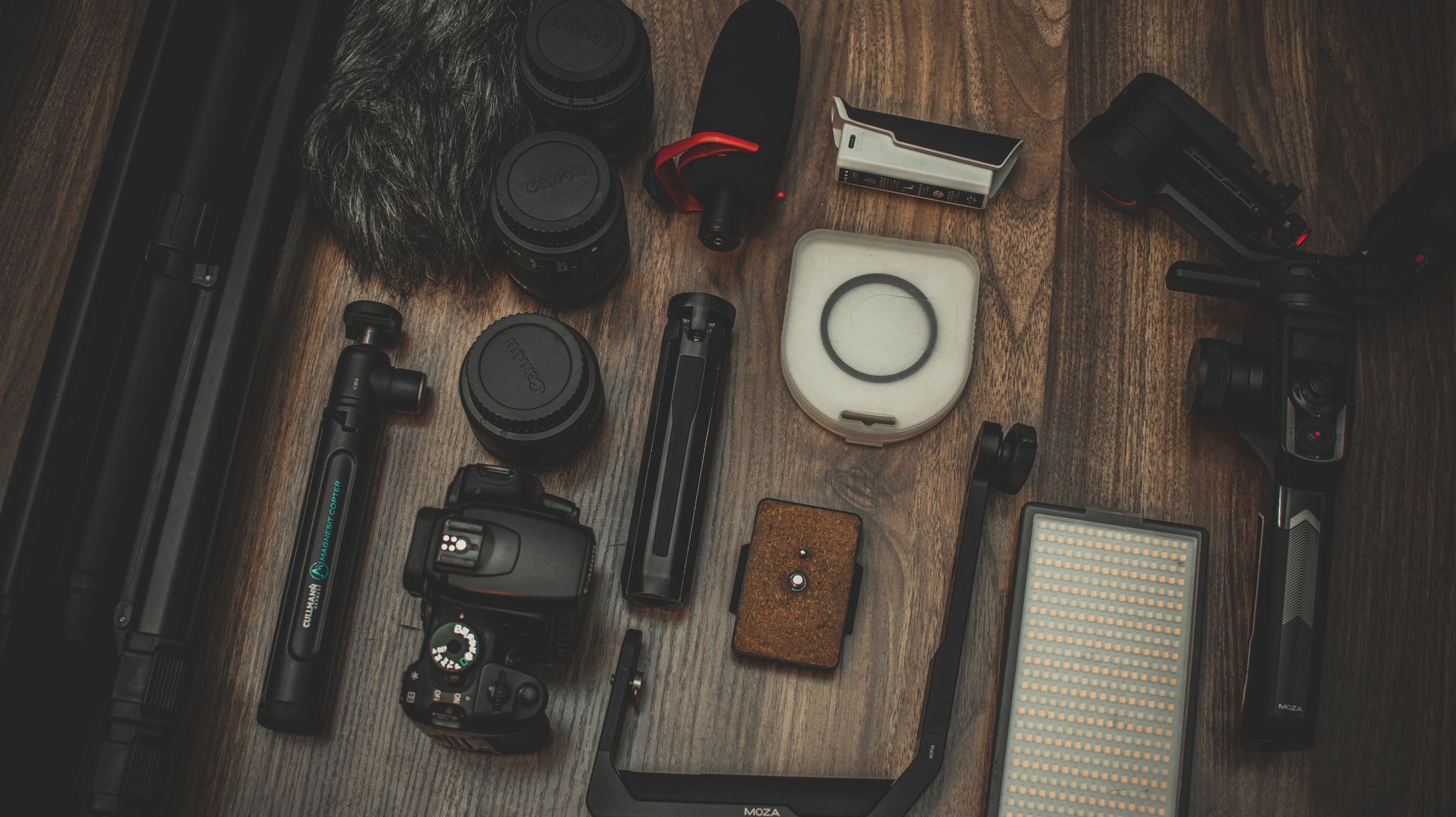
What is the best photography tripod for your shooting style and budget in 2026?
Quick answer: The best photography tripod in 2026 depends on how and where you shoot. For most photographers, a carbon fiber ball-head tripod rated at 2–3 times your gear weight—from brands like Manfrotto, Feisol, or K&F Concept—delivers the stability-to-weight ratio that makes a real difference in the field. Budget, travel, astrophotography, and video shooters each have a different ideal pick, which we break down in detail below.
Find your perfect tripod with our field-tested 2026 picks. We compare carbon vs. aluminum, head types, and budgets for travel, landscape, astro, and video shooters.
Key Takeaways
- No single tripod is best for everyone; match your choice to shooting style, gear weight, and travel needs.
- Carbon fiber is lighter and handles cold better; aluminum costs less and suits studio or home use.
- Choose a load capacity rated at least 2–3x your heaviest camera-and-lens combination.
- Ball heads suit most photographers; pan-tilt heads excel for precise landscape work; fluid heads are for video.
- Twist locks pack tighter for travel; flip locks are faster and easier to confirm in low light.
- A usable stable height (legs extended, no center column) should reach at least your chest or eye level.
- Always note the price at purchase—tripod prices fluctuate and deals on prior-generation models are common.
What Is a Photography Tripod and Why Do You Need One?
!Lineup of the best photography tripods for 2026 arranged side by side on a studio surface
Here's the reality: a photography tripod is a three-legged support that holds your camera absolutely still so you can capture sharp images at slow shutter speeds, in low light, or in any situation where handheld shake would ruin the shot. It's the difference between a blurry Milky Way frame and one you actually want to print.
I wasted years shooting handheld at night because I thought a $60 tripod was "good enough." It wasn't. The legs flexed in the wind, the head crept under lens weight, and every 30-second exposure looked slightly soft. The moment I upgraded to a proper tripod, my keeper rate on landscape and astro shots jumped dramatically.
Quick Picks at a Glance > > - Best Overall: Manfrotto 055 carbon fiber with a quality ball head > - Best Budget (under $150): K&F Concept aluminum with included ball head > - Best Travel: Manfrotto BeFree Advanced Carbon > - Best for Astrophotography / Landscape: Feisol CT-3342 or CT-3372 > - Best for Video: Manfrotto 502 fluid head system
When you actually need a tripod
You need a tripod anytime your shutter speed dips below what you can reliably hold. That's a bigger list than most beginners realize:
- Long exposures slower than roughly 1/focal length (a 50mm lens usually needs support below 1/50s)
- Low-light and night photography, including Milky Way and star trails
- Landscape work where you need precise, repeatable framing across bracketed exposures
- Video, where handheld shake wrecks otherwise good footage
- Macro and product photography that demands exact focus positioning
- Self-portraits and group shots where you need to be in frame
The core tripod trade-off: cost, weight, and stability
Every tripod sits at the intersection of three qualities that fight each other: cost, weight, and stability. Improve one and you almost always compromise another.
- A cheap, heavy aluminum tripod is stable but a punishment on trail hikes.
- An ultralight carbon fiber tripod is a joy to carry but costs 2–3x more.
- A super-stable studio tripod might weigh 8 lbs and never leave the room.
The best tripod is the one you actually bring to the shoot. That sounds like a cliché, but I've watched too many photographers leave their heavy Bogen setups in the trunk and shoot handheld anyway. Weight matters more than beginners expect.
How to Choose the Right Tripod: Key Features Explained
Before you look at specific models, work through this decision framework. It'll save you from the classic beginner move of buying twice.
Here's the 7-step process to choose a photography tripod:
- Define your primary shooting style (travel, landscape, astro, studio, video).
- Match load capacity to your gear weight (aim for 2–3x your heaviest kit).
- Choose a material—carbon fiber for weight savings, aluminum for budget.
- Pick a leg lock type—twist for travel, flip for fast low-light setup.
- Select a head type that matches your shooting style.
- Verify the stable height reaches at least chest level without raising the center column.
- Check folded length and total weight against your bag and travel constraints.
!Close-up comparison of a carbon fiber tripod leg next to an aluminum tripod leg showing texture and color differences
Carbon Fiber vs. Aluminum: The Short Answer > > Carbon fiber is lighter, stiffer in cold weather, and absorbs vibration slightly better—but it costs significantly more. Aluminum is heavier but much cheaper and perfectly valid for studio or occasional use. Neither is universally better. Choose based on budget and how far you carry your gear.
Material: carbon fiber vs. aluminum
Carbon fiber weighs roughly 20–30% less than an equivalent aluminum tripod, holds its rigidity in cold temperatures, and dampens vibration a touch better. The trade-off is price. A carbon fiber travel tripod typically runs $300–$600, while a comparable aluminum version might be $150–$250.
If you shoot mostly indoors, in your backyard, or at locations where you drive up and set down, aluminum is genuinely fine. If you hike, travel, or shoot overnight in freezing conditions, carbon fiber earns its price. Manufacturer product pages from Manfrotto and Feisol confirm the weight differences between comparable models in each material.
Leg sections: three vs. four
- Three-section legs: Longer folded, faster to extend, generally stiffer.
- Four-section legs: Fold shorter (better for carry-on bags), but add one more joint that can introduce flex under load.
Most travel tripods use four sections. Most studio and landscape tripods use three. Pick based on whether folded length matters more than absolute rigidity.
Locking mechanism: twist locks vs. flip locks
- Twist locks: Rotate a collar around the leg to clamp each section. Compact, snag-free in a bag, but harder to confirm they're fully locked in the dark.
- Flip locks: Lever clamps that snap open and closed. Faster to operate and easy to verify by feel in low light.
I use twist locks on my travel tripod and flip locks on my astro rig. In pitch darkness at 3 AM, being able to feel that a lever is closed is worth its weight in gold.
!Three tripod head types displayed side by side: ball head, pan-tilt head, and fluid video head
Head types: ball, pan-tilt, gear, and fluid
- Ball head: Single knob controls all axes. Fast to reposition, compact, ideal for travel and general photography. What 80% of stills photographers should buy.
- Pan-tilt (3-way) head: Separate controls for each axis. More precise for landscape and architectural work, bulkier.
- Gear head: Fine-tooth geared adjustment for maximum precision. Preferred by studio and large-format shooters.
- Fluid head: Drag-controlled pan and tilt for smooth video moves. Essential for video, unnecessary for stills-only shooters.
Many premium tripods are sold legs-only. Budget an extra $100–$400 for a quality head if that's the case.
Height: stable height vs. maximum height
Stable height = maximum leg extension without raising the center column. This is the number that matters. Manufacturers love to advertise the maximum height with the center column cranked all the way up, but that's essentially balancing your camera on a monopod attached to a tripod. It wobbles.
Aim for a stable height that puts the head at chest to eye level for your height. Taller photographers (6'+): check specs carefully. A tripod that lists "160 cm maximum height" might only reach 130 cm stable, which means you're constantly crouching.
The 2–3x Load Capacity Rule > > Manufacturer load ratings are tested under ideal lab conditions. For real-world stability—especially in wind or on uneven ground—choose a tripod rated at 2–3 times your actual gear weight. This is expert consensus across the industry, not a guaranteed spec.
Load capacity and minimum footprint
Factor in your camera body plus your heaviest lens, not just the body. A Sony A7 IV with a 70–200mm f/2.8 is roughly 4 lbs of gear. Multiply by 2–3x and you want a tripod rated at 8–12 lbs minimum.
Also check: - Folded length: Does it fit in your carry-on? A folded length under 18" is usually the carry-on threshold. - Total weight: Under 4 lbs is comfortable for a full day hike. - Feet: Rubber for hard surfaces and indoors. Interchangeable spike feet for soft outdoor terrain.
Tripod Selection Checklist > > - [ ] Know your heaviest camera + lens combo weight before shopping > - [ ] Decide whether you primarily shoot in the field or in a studio > - [ ] Determine whether you need to pack the tripod in a carry-on bag > - [ ] Decide if you need a head included or will buy one separately > - [ ] Set a realistic budget before looking at models > - [ ] Measure your eye-level height so you can verify the tripod's stable reach
Best Photography Tripods in 2026: At-a-Glance Comparison
Let's break down the actual specs. All figures are drawn from the manufacturer product pages linked in the sources below. Prices are approximate and fluctuate—verify at the retailer before you buy.
| Tripod Model | Material | Weight | Stable Height (approx.) | Load Capacity | Best For | Price Range (USD, approx.) |
|---|---|---|---|---|---|---|
| Manfrotto 055 Carbon Fiber | Carbon fiber | ~4.6 lbs | ~66 in | ~20 lbs | Best Overall | $400–$550 |
| K&F Concept SA254 | Aluminum | ~3.9 lbs | ~57 in | ~22 lbs | Best Budget | $90–$140 |
| Manfrotto BeFree Advanced Carbon | Carbon fiber | ~2.9 lbs | ~59 in | ~17 lbs | Best Travel | $280–$380 |
| Feisol CT-3342 Rapid | Carbon fiber | ~3.1 lbs | ~57 in | ~40 lbs | Best Astro / Landscape | $450–$550 |
| Feisol CT-3372 | Carbon fiber | ~4.4 lbs | ~65 in | ~55 lbs | Best for Heavy Gear | $600–$750 |
| Manfrotto 502 Fluid Head + 546B Legs | Aluminum | ~9 lbs | ~64 in | ~15 lbs | Best for Video | $650–$800 |
| Peak Design Travel Tripod (CF) | Carbon fiber | ~2.8 lbs | ~60 in | ~20 lbs | Best Compact Travel | $550–$650 |
!Infographic comparing top photography tripods by weight, stable height, load capacity, and price range
Prices Change > > All prices above are approximate as of 2026 and vary by retailer. Check B&H Photo, Adorama, or Amazon for current pricing. Prior-generation models often go on deep discount when a new version launches—that's usually the best value in the market.
Our Tested Picks: Best Tripods by Use Case
Here are the top picks by category:
- Best Overall: Manfrotto 055 Carbon Fiber
- Best Budget: K&F Concept SA254
- Best Travel: Manfrotto BeFree Advanced Carbon
- Best for Astrophotography / Landscape: Feisol CT-3342 Rapid
- Best for Heavy Gear: Feisol CT-3372
- Best for Video: Manfrotto 502 Fluid Head + 546B Legs
How We Selected These Picks > > Picks are based on hands-on field use, manufacturer specs verified against official product pages, and cross-referenced with editorial reviews from outlets like DPReview and PetaPixel. Where I haven't personally tested a model, I've said so explicitly. Some links in this article are affiliate links—if you buy through them I earn a small commission, but it never influences which tripods I recommend.
Best overall tripod
Manfrotto 055 Carbon Fiber (MT055CXPRO3 or MT055CXPRO4)
If someone asked me to pick one tripod for a photographer who shoots everything—landscape, portraits, product, occasional video—this is it.
- Material: Carbon fiber
- Weight: ~4.6 lbs (legs only)
- Stable height: ~66 in
- Load capacity: ~20 lbs
- Folded length: ~24 in (3-section) or ~21 in (4-section)
The 055 has a horizontal center column, which is huge for macro and overhead product work. Locking mechanisms feel bank-vault solid after years of use. Head is sold separately, so budget another $150–$300 for a decent ball head like the Manfrotto XPRO or a third-party option.
Pros: - Rock-solid in wind up to ~15 mph in my experience - Horizontal center column is genuinely useful - Well-built quick-release plate system
Cons: - Heavier than dedicated travel tripods - Head sold separately - Center column mechanism is fiddly the first few times
Best for: Photographers who want one tripod that does 90% of jobs well and will last 10+ years.
Best budget tripod (under approximately $150)
K&F Concept SA254 (or comparable K&F Concept aluminum model)
You don't need a $500 tripod to get sharp photos—you need one that doesn't wobble. The K&F Concept SA254 is genuinely surprising for the price. According to K&F Concept's official product page, it uses aluminum legs with a decent included ball head and a load rating around 22 lbs.
- Material: Aluminum
- Weight: ~3.9 lbs
- Stable height: ~57 in
- Included head: Basic ball head with Arca-Swiss compatible plate
Pros: - Ball head included—no separate purchase needed - Legs invert for low-angle macro work - Genuinely usable load capacity for mirrorless kits
Cons: - Heavier than carbon fiber alternatives - Included ball head is fine, not great—may creep under heavy telephotos - Locking levers feel plasticky compared to Manfrotto
Best for: Beginners, students, hobbyists shooting mostly in controlled environments or occasional outdoor use.
!Carbon fiber tripod with mirrorless camera photographing the Milky Way in a dark sky location
Best travel tripod
Manfrotto BeFree Advanced Carbon
If you fly with your gear, this is the answer. Folded length under 16 inches means it slides into most carry-on bags without argument. Under 3 lbs total weight and it disappears strapped to a daypack.
- Material: Carbon fiber
- Weight: ~2.9 lbs (with head)
- Stable height: ~59 in
- Folded length: ~16 in
- Load capacity: ~17 lbs
Available in both twist-lock and flip-lock versions. If you shoot mostly in daylight, either works. For night and low-light travel work, I'd go flip-lock so you can verify each section is locked by feel.
Pros: - Genuinely carry-on friendly folded length - Solid included ball head with quick-release - Feels premium in the hand
Cons: - Four-section legs introduce slightly more flex than three-section alternatives - Not tall enough for photographers over 6'2" without center column raised - Head is decent but not swappable easily
Best for: Travel photographers, street photographers, adventure shooters who fly regularly.
!Compact folded travel tripod strapped to the side of a camera backpack ready for travel
Best tripod for astrophotography and landscape
Feisol CT-3342 Rapid (or CT-3372 for larger camera systems)
For 30-second to 4-minute exposures under the Milky Way, stability is non-negotiable. The Feisol CT-3342 has earned a reputation among astro shooters for a reason. According to Feisol's official spec page, the CT-3342 uses 8-layer carbon fiber tubes with a load rating around 40 lbs at a weight of roughly 3.1 lbs.
- Material: Carbon fiber (8-layer)
- Weight: ~3.1 lbs (legs only)
- Stable height: ~57 in
- Load capacity: ~40 lbs
- No center column (rapid version)—maximum rigidity
The "no center column" design is a deliberate feature for astrophotography. It removes the weakest link in the stability chain.
During a September Milky Way shoot in central Oregon, I had my Sony A7 IV with a 24mm f/1.4 mounted on a friend's CT-3342. Four-minute exposures at ISO 800 came out tack-sharp even with a light breeze. That's the difference between a legs-only carbon setup and a bundled kit tripod.
Pros: - Exceptional stability-to-weight ratio - Cold-weather performance is excellent - Legs-only design lets you pair a ball head to your exact needs
Cons: - No center column limits maximum working height - Sold legs-only—add $200–$400 for a matching ball head - Not sold at every major retailer; you may need to order direct from Feisol
Best for: Landscape and astrophotographers who prioritize absolute stability over quick height adjustments.
Best tripod for heavy gear and telephoto lenses
Feisol CT-3372
If you shoot wildlife with a 300mm f/2.8 or 500mm f/4, or work with medium-format bodies, you need a tripod built for the load. The 2–3x load capacity rule really matters here—a 500mm f/4 setup can push 10–12 lbs of gear, so you want a tripod rated 25–35 lbs minimum.
- Material: Carbon fiber
- Weight: ~4.4 lbs
- Stable height: ~65 in
- Load capacity: ~55 lbs
For long-lens work, pair the legs with a gimbal head rather than a ball head. Gimbals let you pan and tilt heavy telephotos smoothly and hold them in balance without cranking down knobs.
Best for: Wildlife photographers, sports shooters, medium-format users.
Best tripod for video
Manfrotto 502 Fluid Head + 546B Legs (or comparable Manfrotto video system)
A fluid head is non-negotiable for smooth video pans and tilts. The drag-controlled movements let you start and stop motion without the jerk you'd get on a ball head or friction head.
- Head: Manfrotto 502HD fluid head
- Legs: Manfrotto 546B aluminum with midlevel spreader
- Total weight: ~9 lbs
- Load capacity: ~15 lbs
The midlevel spreader adds significant lateral stability during long takes. Yes, it's heavier than a stills tripod. That's the trade-off—video demands stability over portability.
Best for: Videographers, hybrid shooters who prioritize video, event and interview work.
Best Tripods by Budget
How much should you spend on a photography tripod? Most photographers will be well served by a mid-range tripod in the $150–$400 range, which delivers quality construction, adequate load capacity, and multi-year durability. Under $150 works for casual use but often compromises on head quality. Over $400 is worth it if you carry a tripod constantly in demanding environments.
!Infographic showing three photography tripod budget tiers: under $150, $150 to $400, and over $400
| Budget Tier | Approximate Price Range (USD) | Typical Material | Best For | Key Trade-offs |
|---|---|---|---|---|
| Budget | Under $150 | Aluminum | Beginners, occasional use | Heavier, basic head, lower long-term durability |
| Mid-range | $150–$400 | Quality aluminum or entry carbon fiber | Serious hobbyists and enthusiasts | Best value bracket; compromises minimal |
| Premium | $400+ | High-grade carbon fiber | Professionals, frequent field shooters | High cost; head often sold separately |
Don't Overspend (or Underspend) > > A $50 tripod is a false economy if it wobbles during long exposures. A $600 carbon fiber tripod is overkill for occasional indoor portraits. Match the tier to how often and where you shoot.
Under approximately $150: budget tier
- What to expect: Aluminum legs, basic ball head or pan-tilt head often included, sufficient for casual outdoor and indoor use.
- Trade-offs: Heavier, less refined locking mechanisms, lower real-world load capacity than the spec sheet suggests.
- Best for: Beginners, photographers on a strict budget, infrequent tripod use.
Brands worth looking at: K&F Concept, Vanguard entry models, older Manfrotto compact series on clearance.
Approximately $150–$400: mid-range tier
- What to expect: Quality aluminum or entry-level carbon fiber, better heads, improved load capacity, taller stable heights.
- Where most photographers should start: This is the sweet spot. Enough quality to last 5–10 years of serious shooting.
- Brands: Manfrotto (055 aluminum, BeFree line), Joby GorillaPod 5K for certain uses, K&F Concept upper range, Sirui.
Over approximately $400: premium tier
- What to expect: High-grade carbon fiber, precision engineering, maximum stability at minimum weight.
- Worth it for: Landscape, astrophotography, and professional photographers who carry a tripod constantly.
- Brands: Feisol, Really Right Stuff, Gitzo, Peak Design (travel), Leofoto.
- Note: Premium tripods are often sold legs-only. A quality ball head adds $150–$400 more. Really Right Stuff and Arca-Swiss heads sit at the top of this range.
Common Tripod Buying Mistakes to Avoid
Here are the seven mistakes I see over and over:
- Buying by maximum height instead of stable height. The advertised max height assumes the center column is fully raised. Compare stable heights only.
- Ignoring load capacity. People spec a tripod for their camera body and forget the 70–200mm f/2.8 that weighs more than the camera.
- Underestimating carry weight. A 6 lb tripod feels great in the store and terrible three miles into a hike.
- Buying a no-name bundle kit. The legs might be fine; the head almost always fails first. Cheap ball heads creep under load and lose tension over months.
- Skipping head quality. Great legs with a mediocre head is like a Ferrari with bicycle tires.
- Assuming more leg sections is always better. Four-section legs pack shorter but add a joint. Three-section is stiffer.
- Not checking quick-release plate compatibility. If you use an L-bracket or already own Arca-Swiss plates, verify the head accepts them before buying.
The Weight Trap > > The most common beginner mistake is buying the heaviest, most stable tripod without accounting for how far they'll carry it. A tripod left at home because it's too heavy to pack is worthless. Factor in your typical carry distance before choosing.
Essential Tripod Accessories Worth Adding
The right accessories can turn a decent tripod into a great one:
Tripod Accessories to Consider > > - L-bracket: Lets you rotate to portrait orientation without shifting the camera off-center on a ball head. Game-changer for landscape shooters. > - Arca-Swiss compatible quick-release plates: Industry standard. Buy into this ecosystem and heads, L-brackets, and clamps become interchangeable. > - Replacement rubber or spike feet: Rubber for hard indoor surfaces, spikes for soft outdoor terrain like grass, dirt, or sand. Never use spikes indoors. > - Hook or weight bag under the center column: Hang your camera bag to add ballast and dampen vibration in wind. Free stability upgrade. > - Tripod collar for telephoto lenses: Shifts the balance point when using long, heavy glass. Reduces strain on the head and camera mount. > - Replacement ball head: Upgrading from a kit head to a quality ball head can transform the usability of budget legs. Often worth more than upgrading legs.
How We Tested
Our Testing Approach > > Recommendations are based on a mix of hands-on field use (Manfrotto 055, BeFree Advanced, and K&F Concept models used across landscape, product, and travel shoots over multiple years) and specs verified against official manufacturer pages (Manfrotto, Feisol, K&F Concept). Where I haven't personally tested a model, I've drawn on editorial coverage from DPReview and PetaPixel and clearly noted that in the pick. Some product links are affiliate links; commissions never influence which tripods I recommend.
Evaluation criteria
- Stability: Does the tripod hold still during long exposures (tested at shutter speeds from 1 second to 4 minutes)?
- Weight and portability: Measured against carry-on luggage and daypack constraints.
- Build quality and locking mechanism reliability: Assessed after repeated setup and breakdown cycles in real conditions—rain, cold, sand.
- Ease of use in low light: Can legs be extended and locked confidently without a headlamp?
- Head performance: Smoothness, play or creep under load, ease of quick-release plate swapping.
- Value: Performance delivered relative to current retail price.
Frequently Asked Questions
Is a carbon fiber or aluminum tripod better?
Neither is universally better. Carbon fiber is lighter, handles cold temperatures better, and dampens vibration slightly more effectively—making it the preferred choice for travel and outdoor shooting. Aluminum is heavier but significantly more affordable and perfectly capable for studio or occasional use. Choose based on your budget and how far you carry your gear.
How much should I spend on a photography tripod?
Most photographers will be well served by a mid-range tripod in the approximately $150–$400 range, which delivers quality construction, adequate load capacity, and multi-year durability. Budget options under $150 work for casual use but often compromise on head quality and locking reliability. Premium tripods above $400 are worth the investment for photographers who carry their tripod frequently in demanding environments.
What load capacity do I need in a tripod?
Choose a tripod rated at least 2–3 times the combined weight of your heaviest camera body and lens. Manufacturer ratings are measured under ideal conditions; real-world wind, uneven terrain, and telephoto torque all reduce effective stability. For example, if your heaviest kit weighs 5 lbs, look for a tripod rated at 10–15 lbs minimum.
Are twist locks or flip locks better on a tripod?
Both work well; the choice depends on how you shoot. Twist locks are more compact and snag-free in a bag, making them popular for travel tripods. Flip locks (lever clamps) are faster to operate and easier to confirm as locked by feel in low light—an advantage for night and astrophotography. Neither is objectively superior.
What is the best travel tripod for photographers?
The best travel tripod folds short enough to fit in a carry-on or daypack, weighs under 3–4 lbs, and offers enough stability for the shots you travel to capture. The Manfrotto BeFree Advanced is one of the most consistently recommended options in this category; verify current specs and pricing before purchasing as models are updated regularly.
Do I need a center column on my tripod?
A center column is useful for adding a few inches of height quickly, but raising it significantly reduces stability—it acts like a monopod balanced on three points. For critical shots like long exposures or astrophotography, avoid raising the center column. Some photographers prefer tripods without a center column entirely for maximum rigidity.
What tripod head should I get: ball head, pan-tilt, or fluid head?
For most still photographers, a quality ball head is the best all-around choice: fast to reposition, compact, and versatile. A pan-tilt (3-way) head gives more precise independent axis control for landscape and architectural work. A fluid head is essential for smooth video pans and tilts but unnecessary for stills-only shooters.
How tall should my tripod be?
Focus on stable height—the maximum height with legs fully extended but the center column not raised—rather than the maximum advertised height. Aim for a stable height that places the head at roughly chest to eye level for your height. Raising the center column to reach eye level is a common workaround but sacrifices stability for critical shots.
Sources
- Camera Tripods & Support — B&H Photo
- 4 Tripods That Give the Best Bang for Your Buck — Fstoppers
- The Best Camera Tripod — The School of Photography
- Tripods — Manfrotto Official Site
- Tripods — Feisol Official Site
- Tripods — Digital Photography Review (DPReview)
- Tripods & Supports — PetaPixel
- Tripods & Camera Supports — Adorama
- Tripods — K&F Concept Official Store